The holidays are full of sparkle, celebration—and plenty of well-meaning advice. But some of the loudest tips you’ll hear this time of year are based on shaky assumptions, not evidence. Let’s clear the air. Below, we unpack six common holiday health myths that get repeated every season and share what the research actually says, along with easy, realistic habits that help you feel your best. Consider this your friendly guide to holiday wellness, debunked by science.
Holiday Health Myth #1: “Everyone gains 5–10 pounds during the holidays.”
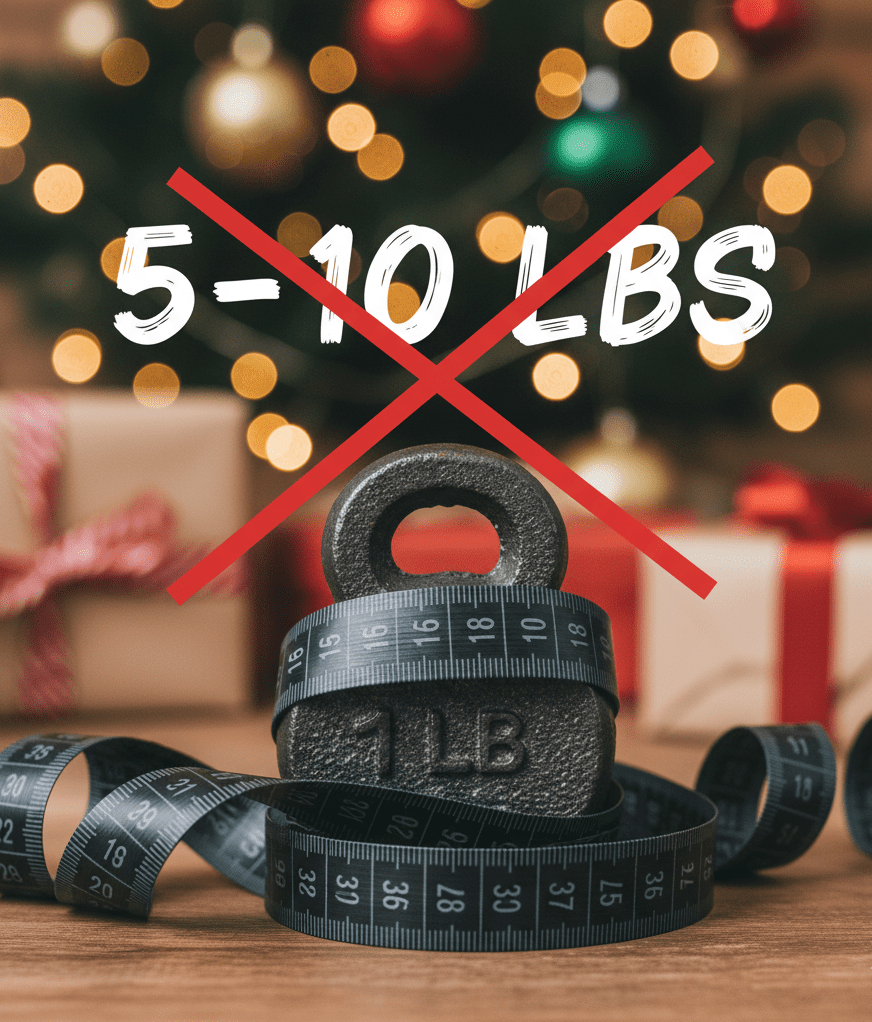
The belief that most people pack on 5–10 pounds between November and January is persistent—but overstated. Studies show the average gain is closer to about 1 pound (0.5 kg) for adults. That said, many people don’t lose that pound afterward, which can contribute to gradual, long-term weight creep. The key isn’t panic—it’s consistency.
What helps:
- Anchor your days with balanced meals that include protein, fiber, and healthy fats to maintain satiety.
- Keep your normal routines—sleep, movement, and hydration even when your schedule gets festive.
- Choose what’s worth it. Enjoy your absolute favorites mindfully and skip the “meh” treats.
Bottom line: No need to fear the feast. Small, steady habits matter more than a single meal or party.
Myth #2: “Sugar makes kids (and adults) hyper.”
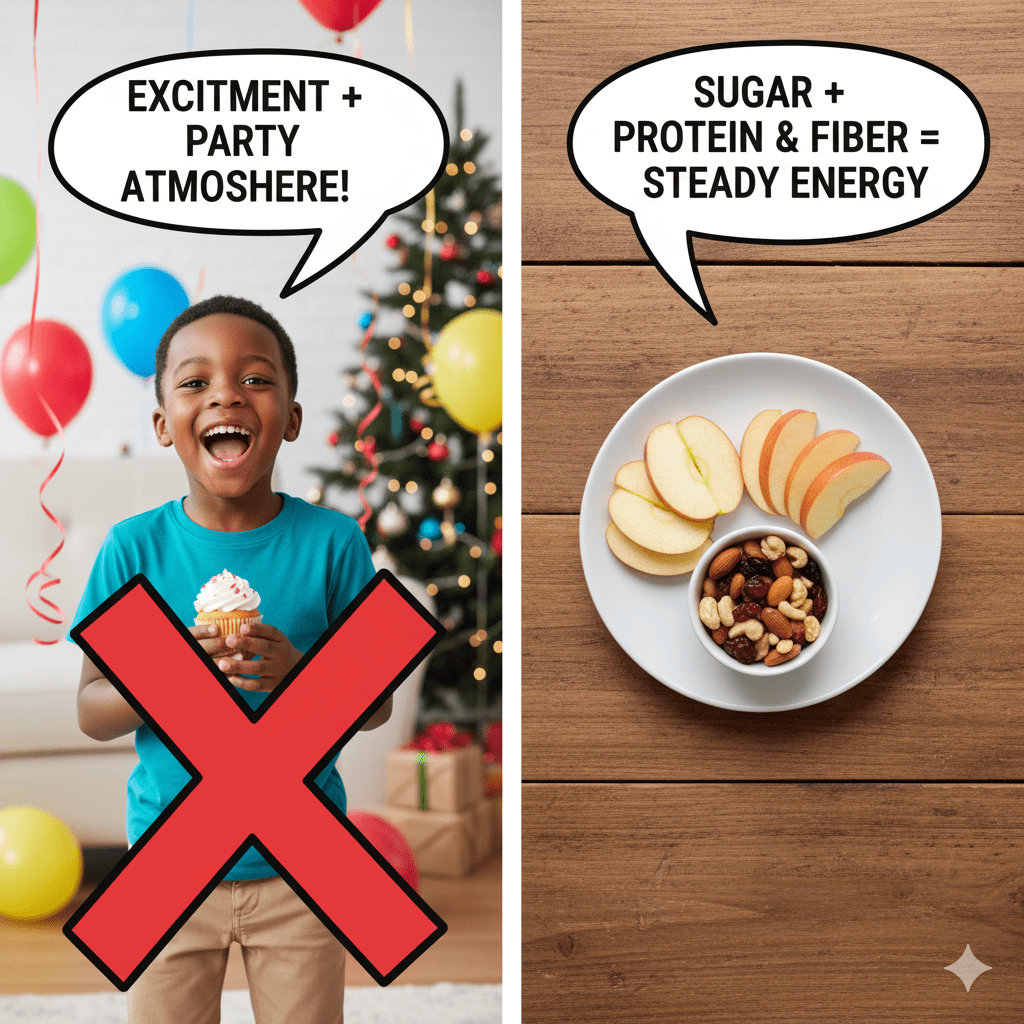
The classic “sugar rush” story sounds convincing, but controlled studies repeatedly show that sugar doesn’t cause hyperactivity in children. What you’re seeing is likely excitement, sleep loss, or the energy of a party atmosphere. That said, sugary foods can be rapidly digested, leading to quick energy spikes and dips that influence mood and focus.
What helps:
- Pair sweets with protein or fiber (think fruit with nuts, hot cocoa after a real meal) to slow absorption.
- Watch caffeine in chocolates and holiday drinks, which can truly hype kids and adults alike.
- Protect sleep. Overtired kids are more reactive regardless of sugar intake.
Enjoy treats without the blame. Balance and context matter more than one cookie exchange.
Myth #3: “Cold weather causes colds.”
Colds are caused by viruses—not the temperature itself. However, cold and dry air can make it easier for viruses to spread and may blunt nasal immune defenses. We also spend more time indoors, in close contact, where viruses circulate efficiently. So while it’s not the chill giving you a cold, the season does create conditions that favor infections.
What helps:
- Wash hands or use sanitizer regularly, especially after travel or shopping.
- Ventilate indoor spaces and consider a humidifier to reduce very dry air.
- Cover coughs, and avoid close contact when you’re feeling unwell.
Prevention is practical: hygiene, airflow, and staying home when sick beat any weather superstition.
Myth #4: “The flu shot can give you the flu.”
The flu shot uses inactivated virus (or a single recombinant protein), so it cannot cause influenza. Some people experience mild, temporary side effects—like soreness, headache, fatigue, or low-grade fever—as your immune system gears up. That’s not the flu. Protection isn’t instant, either; your body needs about two weeks to build antibodies.
What helps:
- Get vaccinated early in the season, especially if you’re traveling or seeing older adults or infants.
- Remember that vaccines lower your risk of severe illness, hospitalizations, and complications.
- Layer your defenses: hand hygiene, ventilation, and staying home when sick still matter.
The science is clear: vaccination is one of the most effective tools we have to reduce flu risk and severity.
Myth #5: “I’ll ‘detox’ after the holidays to undo the damage.”

Your body already has a highly efficient detox system—your liver, kidneys, lungs, skin, and gut. No juice cleanse, sauna marathon, or “detox tea” can replace them. While short-term restrictive cleanses may lead to water and glycogen loss, they can also cut essential nutrients, strain your energy, and set up rebound eating.
What helps:
- Support your natural detox pathways with hydration, fiber-rich foods (vegetables, fruit, legumes), and adequate protein.
- Prioritize sleep and stress management; both affect inflammation, appetite, and energy.
- Move daily. Even light activity supports metabolic health and digestion.
Sustainable routines beat quick fixes—no drastic reset required. A gentler, consistent approach is more effective and kinder to your body.
Myth #6: “Skipping meals to ‘save up’ calories works.”
Skipping meals to prepare for a big dinner often backfires. Arriving over-hungry makes you more prone to eat quickly, overshoot fullness, and favor high-calorie foods. Blood sugar dips can also affect mood and decision-making, making it harder to practice mindful eating once the buffet is in sight.
What helps:
- Eat a balanced snack with protein and fiber (like Greek yogurt with berries or hummus and veggies) a few hours before the event.
- Survey the spread first. Choose the dishes you’ll truly enjoy and build your plate intentionally.
- Use the “pause” check-in: midway through your plate, pause for 60 seconds to assess hunger before going for seconds.
You can enjoy festive meals without the pendulum swing. Nourish first; then savor.
Simple, science-backed ways to feel great this season
A few steady habits go a long way:
- Move most days. Short walks, quick strength circuits, or dancing while you cook all count.
- Sleep is a superpower. Aim for consistent bed and wake times when possible.
- Hydrate early and often, especially if you’re traveling or celebrating with alcohol.
- Mind your microbes: include fermented foods and fiber to support gut health.
- Practice gratitude and boundaries—your mental health is part of your physical health.
The holidays are for connection, not perfection. When you sidestep common holiday health myths and lean into simple, science-guided habits, you create more energy for what matters: making memories, sharing meals, and starting the new year feeling steady and strong.
Leave a Reply