Managing Blood Sugar and Why It Matters
Whether you’re living with diabetes, prediabetes, or just trying to feel your best, managing blood sugar (or glucose) levels is crucial. Blood sugar is the main source of energy for your body, and it comes from the foods you eat—especially carbohydrates.
When your blood sugar spikes too high or drops too low, it can result in symptoms like fatigue, irritability, headaches, and over time, more serious health issues such as nerve damage or cardiovascular disease. The good news? You can have a big impact on your blood sugar just by making the right food choices.
How Food Affects Blood Sugar
Every time we eat, our body breaks down food into glucose. This glucose then enters our bloodstream. The role of insulin, a hormone produced by the pancreas, is to help move that glucose into your cells, where it’s used for energy.
Some foods cause a quick rise in blood sugar (they have a high glycemic index, or GI), while others release glucose more slowly, keeping blood sugar steady. Your goal is to include more of the foods that provide slow, steady energy, and limit those that spike your sugar levels too quickly.
Top Foods for Managing Blood Sugar
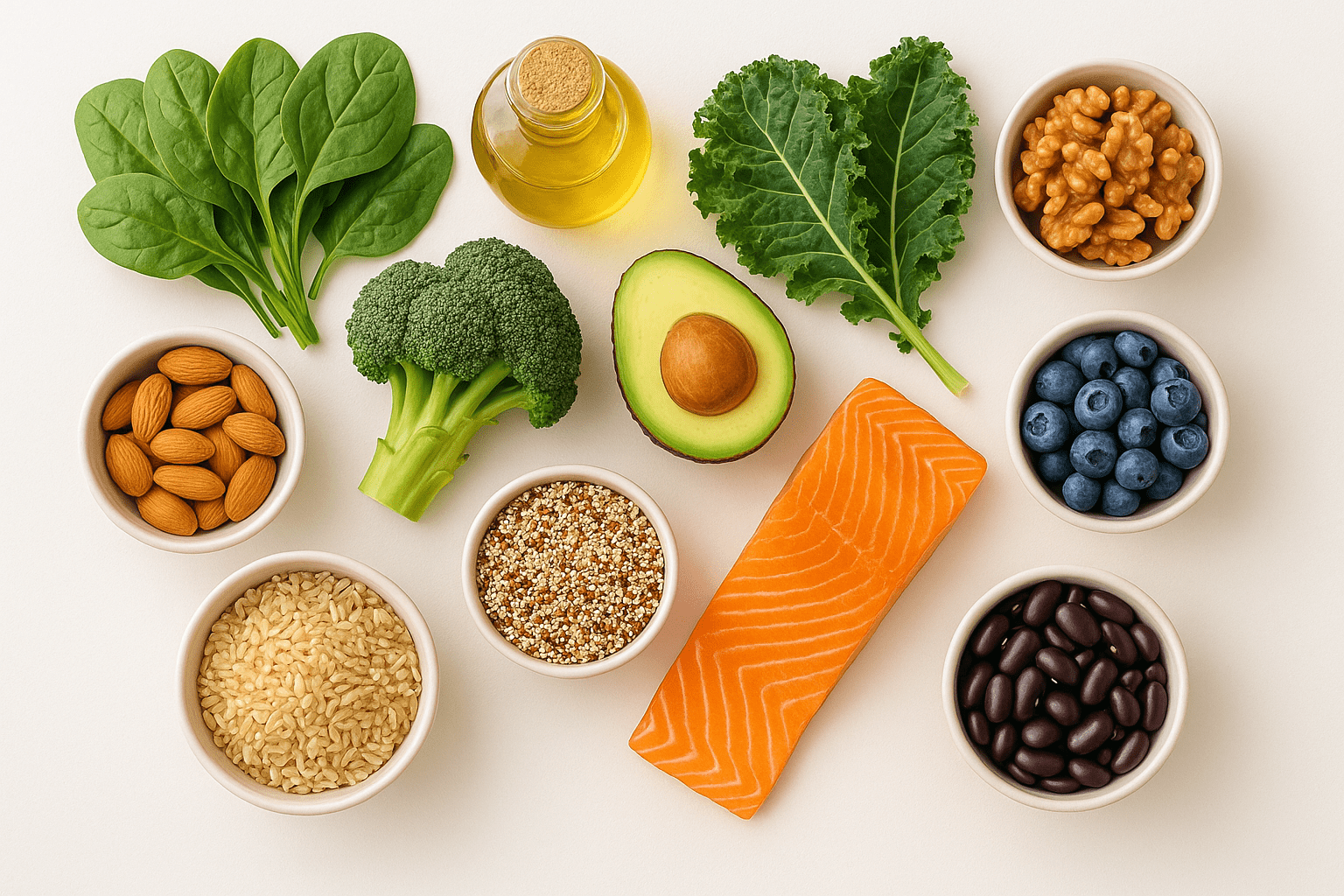
Here are some of the best foods to include in your diet if you want to manage blood sugar:
- Leafy greens – Spinach, kale, and Swiss chard are packed with nutrients and have minimal impact on blood sugar.
- Whole grains – Oats, quinoa, brown rice, and whole wheat bread offer fiber, which slows glucose absorption.
- Lean protein – Chicken, turkey, fish, eggs, and tofu help you feel full without spiking blood sugar.
- Healthy fats – Avocados, nuts, seeds, and olive oil can improve insulin sensitivity.
- Legumes – Lentils and beans are great fiber-rich carbs that have a low glycemic index.
Don’t forget about non-starchy vegetables like broccoli, mushrooms, and bell peppers. They’re low in calories, high in nutrients, and won’t send your blood sugar on a rollercoaster ride.
Foods to Limit or Avoid
Not all carbs are created equal. If you’re looking to regulate blood sugar, it’s smart to limit:
- Refined sugar – Candy, soda, and baked goods can spike blood glucose rapidly and lead to crashes.
- White bread, pasta, and rice – These are stripped of fiber and break down quickly into sugar.
- Sweetened beverages – These are among the worst offenders when it comes to blood sugar spikes.
- Packaged snacks – Chips, crackers, and even some breakfast bars can be high in hidden sugars and simple carbs.
Reading nutrition labels and keeping an eye on added sugars can go a long way. A general rule? If sugar is one of the first three ingredients, it’s best to find an alternative.
The Role of Meal Timing and Frequency
How often and when you eat is just as important as what you eat. Eating large meals infrequently can cause blood sugar to spike dramatically. Instead, aim to:
-
Eat smaller, balanced meals every 3–4 hours. This helps keep glucose levels steady throughout the day.
-
Include protein and fiber with every meal or snack. They slow down the release of sugar into your bloodstream.
-
Avoid skipping meals. Going too long without food can cause your blood sugar to drop, leading to fatigue, cravings, and overeating later.
Think of it as giving your body a steady supply of fuel rather than flooding it with energy all at once.
Lifestyle Habits Beyond Food
Food is the biggest factor, but it’s not the only one. Blood sugar balance is also influenced by:
-
Physical activity. Exercise helps your muscles absorb glucose, lowering blood sugar and improving insulin sensitivity. Even a 10-minute walk after meals makes a difference.
-
Sleep. Poor sleep can increase insulin resistance and make it harder to control cravings. Aim for 7–9 hours per night.
-
Stress. High stress triggers the release of cortisol, a hormone that can raise blood sugar. Stress management techniques like deep breathing, meditation, or yoga can help.
Key Takeaway
Managing blood sugar isn’t about restriction—it’s about balance. Choosing whole, nutrient-dense foods, eating regularly, moving your body, and taking care of your sleep and stress levels all work together to keep your glucose steady.
The payoff? More consistent energy, better mood, reduced risk of chronic disease, and a stronger sense of control over your health.
Leave a Reply