
What Is Inflammation and Why Should You Care?
Inflammation is a natural process your body uses to protect itself. Think of it as your body’s internal alarm system—it kicks in when you’re injured or fighting off bacteria and viruses. But while acute inflammation is helpful, chronic inflammation is a different story. When inflammation sticks around long-term, it can lead to serious health problems like heart disease, diabetes, arthritis, and even certain types of cancer.
The good news? You can help reduce chronic inflammation by focusing on your diet. In fact, choosing the right foods can have a huge impact on your risk for inflammatory diseases and your overall well-being.
How Diet Impacts Inflammation

Food is more than just fuel—it’s information for your body. Some foods trigger your body’s inflammatory responses, while others help calm it down. The standard Western diet, unfortunately, tends to be rich in inflammation-promoting foods like processed meats, refined carbs, and excessive sugar.
On the flip side, a well-balanced, whole-food-based diet that’s rich in anti-inflammatory foods can significantly lower your inflammation levels. That means more energy throughout the day, fewer aches and pains, and a reduced risk of chronic illness. Let’s take a look at what to put on your plate—and what to leave off.
Top Anti-Inflammatory Foods to Include
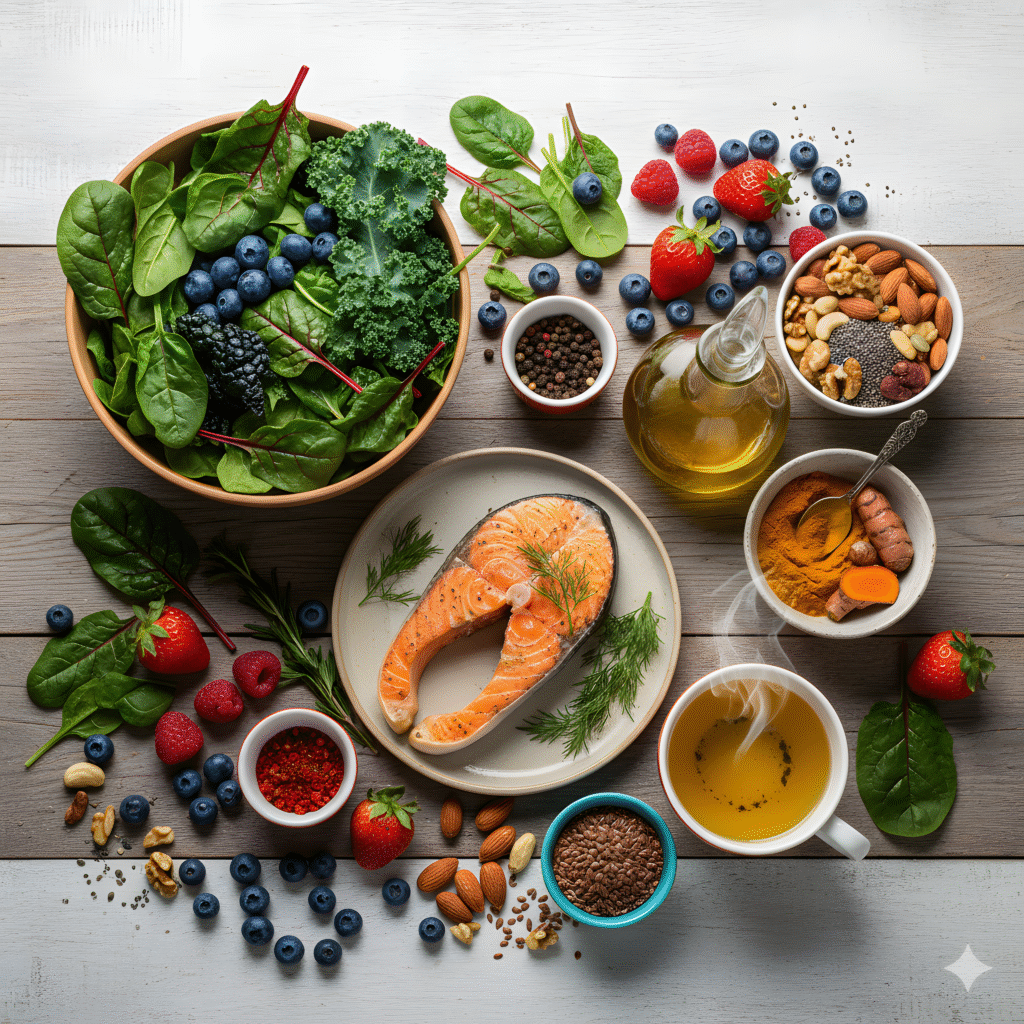
Here are some of the best foods you can start incorporating into your diet today to support your body and reduce inflammation naturally:
- Fatty Fish: Salmon, mackerel, sardines, and tuna are rich in omega-3 fatty acids, which help reduce the production of inflammatory compounds.
- Leafy Greens: Spinach, kale, and Swiss chard are loaded with antioxidants and polyphenols that help fight inflammation.
- Berries: Blueberries, strawberries, and raspberries are full of fiber, vitamins, and antioxidants that support immune health.
- Olive Oil: Especially extra-virgin olive oil, which contains a compound called oleocanthal, known for its anti-inflammatory properties.
- Nuts and Seeds: Almonds, walnuts, chia seeds, and flaxseeds are all great sources of healthy fats and antioxidants.
- Turmeric: This bright yellow spice contains curcumin, a potent anti-inflammatory and antioxidant compound.
- Green Tea: High in polyphenols and antioxidants, it’s a soothing drink with long-term health benefits.
Foods That Can Trigger Inflammation
To truly reduce inflammation with diet, it’s just as important to know what to avoid. Some common food culprits include:
- Refined Sugar: Added sugars can spike glucose levels and provoke an inflammatory response throughout the body.
- Processed Foods: Packaged snacks, frozen dinners, and fast food often contain unhealthy fats, sodium, and preservatives—all of which may contribute to inflammation.
- Trans Fats: Often found in margarine and baked goods, these unnatural fats are strongly associated with systemic inflammation.
- Excessive Alcohol: While moderate drinking may have some benefits, too much can irritate your gut and increase inflammation levels.
- Red and Processed Meats: Bacon, sausage, and deli meats can be pro-inflammatory, especially when consumed in large amounts.
Simple Tips to Get Started
Changing your diet might feel overwhelming at first, but small, consistent steps can lead to significant improvements. Here are a few beginner-friendly ways to start reducing inflammation with diet:
- Start Small: Make one change at a time, like replacing sugary cereal with oatmeal and berries.
- Cook More at Home: Preparing meals from scratch helps you control the quality of your ingredients.
- Stay Hydrated: Water helps flush toxins from your system, which is crucial for fighting inflammation.
- Mind Your Portions: Focus on balanced meals with lean protein, whole grains, healthy fats, and colorful vegetables.
- Read Labels: Be mindful of hidden sugars and additives in “health” foods like flavored yogurts and granola bars.
The Role of Gut Health in Inflammation
Your gut is home to trillions of bacteria, both good and bad. When your gut microbiome is balanced, it helps regulate inflammation and supports immune health. When it’s out of whack, it can actually feed chronic inflammation. That’s why eating whole foods rich in fiber and probiotics—like fermented vegetables, yogurt, and kefir—can make a huge difference.
Prebiotic foods like garlic, onions, and bananas feed the healthy bacteria in your gut, while probiotics replenish it. Together, they form a strong line of defense against inflammation and disease.
Consistency is Key
It’s not about eating perfectly 100% of the time. Life happens, celebrations come up, and we all have cravings. The goal is to make sustainable changes that you can stick with long term. Even a few anti-inflammatory meals per week can have a cumulative effect over time.
If you’re dealing with a chronic health issue, be sure to speak with a healthcare provider or registered dietitian. Diet alone might not cure your condition, but when combined with a healthy lifestyle, it can lead to powerful improvements in how you feel every day.
Final Thoughts
Reducing inflammation with diet is less about restriction and more about making thoughtful, nourishing choices. When you fill your plate with colorful, nutrient-dense foods and minimize processed junk, you’re giving your body the tools it needs to heal, energize, and thrive.
So, whether you’re looking to ease joint pain, prevent disease, or simply feel better in your body, remember this: what you eat matters—every bite is an opportunity to support better health.
Note: This article is for general information only and not a substitute for personalized medical or dietary advice.
Leave a Reply