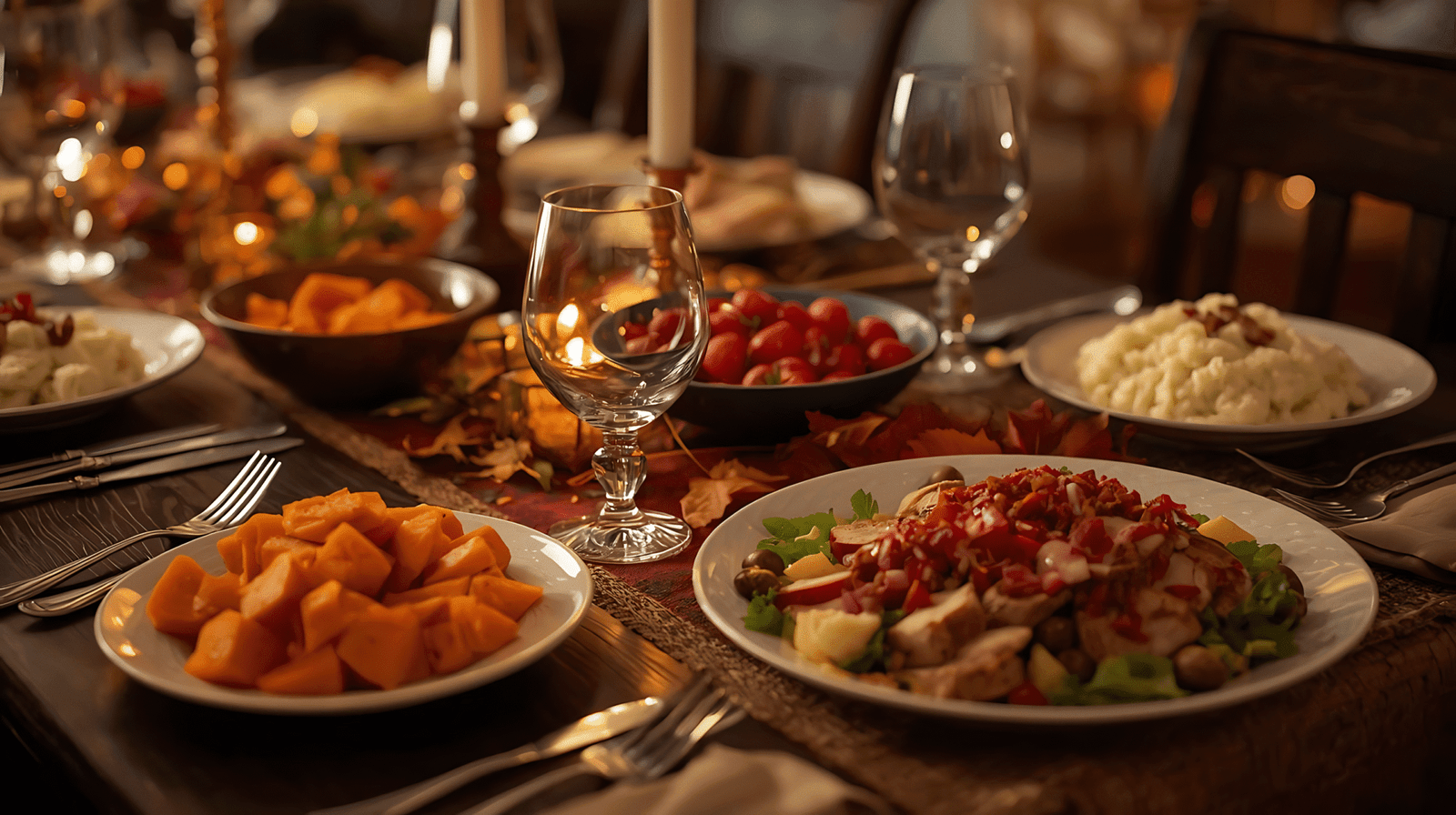
Thanksgiving is a time for gratitude, family, and of course, indulgent food. But as we age, maintaining good health becomes more important—especially during the holidays when rich dishes are abundant. If you’re a senior (or cooking for one), that doesn’t mean you have to miss out on the festive flavors you love. With a few smart, healthy Thanksgiving food swaps, you can enjoy all the taste and tradition with less sodium, sugar, and fat.
In this guide, we’re sharing 7 senior-friendly adjustments that keep your holiday plate both delicious and nutritious. Let’s dig in!
1. Swap Mashed Potatoes for Mashed Cauliflower
Traditional mashed potatoes, especially when loaded with butter and cream, can be heavy on the calories and carbs. For a lighter, low-carb option, try mashed cauliflower. It’s creamy, comforting, and has a similar texture once blended well. Add a touch of garlic, low-fat Greek yogurt, and a sprinkle of parmesan to enhance the flavor without the extra fat.
2. Trade Dark Meat for Skinless Roasted Turkey Breast
The turkey is the centerpiece of any Thanksgiving meal, but not all turkey cuts are created equal. Dark meat like thighs and drumsticks tend to be higher in saturated fat. Opt for skinless roasted turkey breast instead. It’s lean, protein-rich, and just as satisfying when seasoned well. Use herbs like rosemary, thyme, and sage for that classic Thanksgiving aroma.
3. Replace Heavy Gravy with a Light Mushroom-Based Gravy
Gravy is often a sodium bomb, especially if it’s store-bought or made from drippings. Instead, create a savory mushroom-based gravy using sautéed mushrooms, low-sodium vegetable broth, and a touch of flour or cornstarch for thickening. This swap delivers a rich umami flavor without excessive salt or butter—perfect for older adults watching their sodium intake.
4. Choose Whole Grain Stuffing Instead of White Bread Stuffing
Stuffing is a must-have at many holiday tables, but traditional recipes made with white bread lack fiber and can spike blood sugar levels. Use whole grain or sprouted bread instead. Add lots of vegetables like celery, onions, and mushrooms to increase the nutritional value. For added moisture and flavor, use low-sodium chicken broth and herbs instead of extra butter.
5. Sweet Potato Mash Over Candied Yams
Candied yams with marshmallows may be a nostalgic favorite, but they’re loaded with sugar and additives. Try roasted or mashed sweet potatoes with cinnamon, nutmeg, and a drizzle of maple syrup for a naturally sweet and vitamin-packed alternative. This is a fantastic way to support eye health and overall vitality without the sugar crash afterward.
6. Opt for a Greek Yogurt Pumpkin Pie
Dessert is where many Thanksgiving tables veer off into unhealthy territory. Pumpkin pie doesn’t have to be off-limits, though. Use a whole wheat crust and swap heavy cream for low-fat Greek yogurt in the filling. It’s still creamy and spiced to perfection but has fewer calories, more protein, and beneficial probiotics for digestive health.
7. Serve Sparkling Water with Fruit Instead of Sugary Drinks
Skip the sugary sodas and calorie-rich punches this year. Instead, infuse sparkling water with cranberries, orange slices, or a sprig of mint. It’s festive, hydrating, and keeps added sugars to a minimum—key for blood sugar management, especially in older adults.
Additional Tips for a Healthy Senior Thanksgiving
Beyond the food swaps, here are a few general tips to keep your holiday healthy and enjoyable:
- Watch portion sizes: Use a smaller plate and start with modest servings—you can always go back for more.
- Stay hydrated: Drink plenty of water throughout the day to aid digestion.
- Stay active: Take a post-meal walk to support blood sugar regulation and digestion.
- Don’t skip meals: Skipping meals leading up to Thanksgiving dinner can lead to overeating later. Have a light, balanced breakfast and lunch.
Bringing It All Together
A healthy Thanksgiving doesn’t mean sacrificing all your favorite dishes. With just a few diet-conscious swaps, you can create a meal that’s filled with the same heartwarming flavors—without the excess calories, sodium, or sugar. These changes are especially beneficial for seniors, helping to support heart health, mobility, and energy levels during the holiday season.
So this Thanksgiving, celebrate with joy, gratitude, and a little extra nourishment. Your body—and your taste buds—will thank you.
Happy, healthy Thanksgiving!
Leave a Reply