
Why Hydration Matters
We often hear that we should drink more water, but why is it such a big deal? Staying hydrated is crucial for nearly every function in your body—from maintaining a normal temperature and aiding digestion to keeping your skin glowing and your joints lubricated. The truth is, water is kind of a big deal. If you’re not getting enough, you’re not just thirsty—you’re putting unnecessary stress on your body.
Water makes up about 60% of your body. That’s more than half! It’s involved in countless essential processes and even mild dehydration can lead to fatigue, poor concentration, and headaches. Think of water as your body’s personal assistant—it keeps everything running smoothly behind the scenes.
How Much Water Should You Drink Every Day?
The age-old advice is 8 glasses a day, but hydration isn’t a one-size-fits-all situation. Your ideal intake depends on factors like age, gender, activity level, and even the climate you live in. According to the Mayo Clinic, men should aim for about 3.7 liters (or 125 ounces) and women about 2.7 liters (or 91 ounces) a day—from all beverages and food.
That said, if you’re exercising, sweating, or spending time in the heat, your needs increase. So instead of fixating on a hard number, the best approach is to listen to your body and drink water consistently throughout the day.
Signs You’re Not Drinking Enough Water
Dehydration can sneak up on you. Here are some subtle (and not-so-subtle) signs that you might be short on H2O:
- Dry mouth or bad breath
- Headaches or dizziness
- Fatigue or low energy
- Dark-colored urine
- Dry skin
- Muscle cramps
If you’re experiencing any of these symptoms, it’s time to reach for a glass (or two) of water. Your body will thank you.
Practical Tips to Stay Hydrated
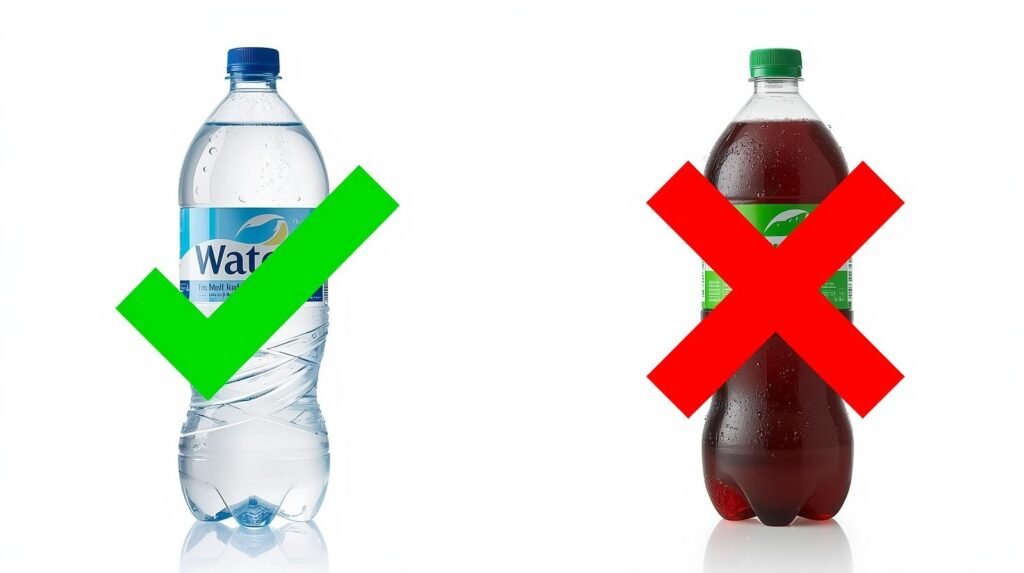
If you find it hard to remember to drink water, you’re not alone. Here are some easy, effective strategies to boost your daily water intake without feeling overwhelmed:
- Start your day with water: A glass first thing in the morning helps jumpstart your metabolism and wake up your system.
- Flavor it: Add slices of cucumber, lemon, mint, or berries for a tasty twist that makes drinking water more enjoyable.
- Bring a reusable water bottle: Keep it at your desk, in your bag, or in the car to remind you to sip throughout the day.
- Use hydration apps or alarms: A gentle nudge from your phone can keep you on track.
- Eat high-water foods: Foods like cucumbers, watermelon, oranges, and lettuce contribute to your fluid intake.
Can You Drink Too Much Water?
Yes, it is possible to overdo it, though it’s rare. Overhydration or water intoxication can dilute essential electrolytes like sodium, leading to a condition called hyponatremia. This is more common in endurance athletes or those drinking excessive amounts in a short period of time. The key? Balance. Drink steadily throughout the day and pay attention to your body’s cues.
Best Times to Drink Water
Timing can make a big difference in how your body absorbs and benefits from water. Here are a few optimal times to hydrate:
- First thing in the morning: After hours without water, your body is naturally dehydrated. Drinking a glass of water when you wake up helps kickstart your metabolism and rehydrates your system.
- Before meals: Sipping water 30 minutes before eating can aid digestion and help prevent overeating by making you feel fuller.
- During and after exercise: Physical activity increases fluid loss through sweat. Hydrate before, during, and after workouts to replace lost fluids and support muscle recovery.
- When you feel hungry: Sometimes thirst is mistaken for hunger. If you’re craving a snack, try drinking water first to see if the feeling subsides.
- In the afternoon slump: Energy levels often dip in the afternoon. A glass of water can help boost alertness and keep fatigue at bay.
- Before bed (in moderation): A small glass of water before sleep can help keep you hydrated overnight, but avoid drinking too much to prevent waking up for bathroom trips.
The Bottom Line
Hydration is a simple yet powerful way to support overall health and well-being. By paying attention to your body’s signals, making water easily accessible, and building hydration into your daily routine, you can keep your body functioning at its best. Remember, water isn’t just a drink—it’s a vital part of feeling and performing your best every day.
Leave a Reply