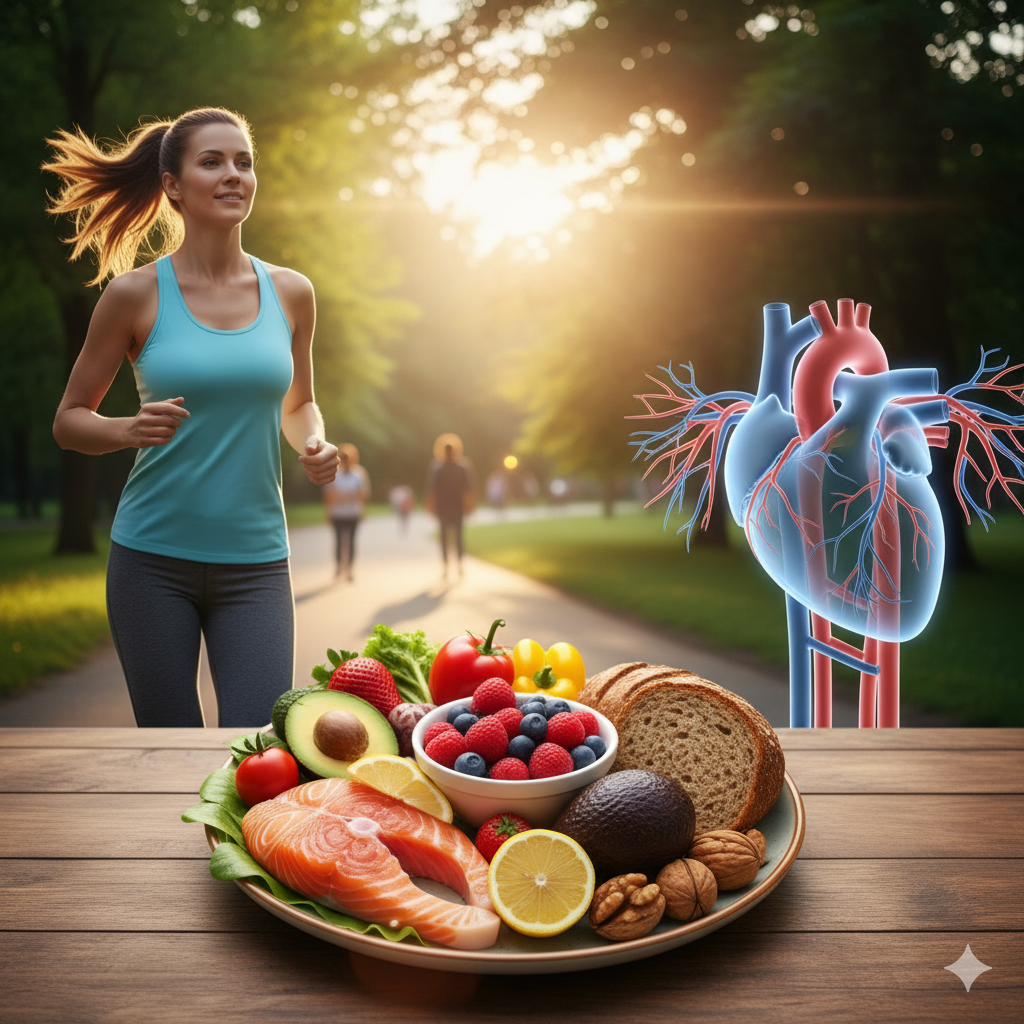
Cholesterol is a vital, waxy substance that plays a critical role in the body, including the formation of hormones and the building of healthy cells. It is transported through the bloodstream by lipoproteins, primarily low-density lipoprotein (LDL) and high-density lipoprotein (HDL). While HDL is often referred to as “good” cholesterol due to its role in removing cholesterol from the arteries, LDL is known as “bad” cholesterol because elevated levels can contribute to the buildup of plaque in the artery walls. This plaque buildup can narrow the arteries, impeding blood flow and increasing the risk of serious cardiovascular events such as heart attack and stroke.
An LDL cholesterol level of 115 mg/dL is considered slightly above the generally accepted optimal level for many adults, which is below 100 mg/dL. While some guidelines might categorize levels between 100 and 129 mg/dL as near optimal, the desire to achieve an LDL level below 100 mg/dL reflects a proactive approach towards maintaining optimal heart health. This report will outline evidence-based, non-pharmacological strategies to help lower cholesterol to this desired range.
The Cornerstone: Therapeutic Lifestyle Changes (TLC)

A well-established and comprehensive approach to naturally lowering cholesterol is the Therapeutic Lifestyle Changes (TLC) program, developed by the National Heart, Lung, and Blood Institute (NHLBI). This program is a three-pronged strategy that encompasses dietary modifications, increased physical activity, and effective weight management. Even in situations where cholesterol-lowering medication might eventually be necessary, adhering to the principles of the TLC program is still recommended for overall cardiovascular health. The primary focus of TLC is to promote heart-healthy eating patterns and encourage sustainable lifestyle adjustments to improve cholesterol levels and overall well-being.
The TLC program initiates with a focus on adopting a heart-healthy diet and incorporating regular physical activity into daily routines, while also addressing other modifiable risk factors for heart disease. The program’s dietary component is particularly emphasized for its role in improving cholesterol numbers. By integrating these three key elements, individuals can take significant steps towards managing their cholesterol naturally. The consistent recommendation of the TLC program by a reputable institution like the NIH highlights its importance as a foundational strategy for those seeking to lower their cholesterol through natural means.
Dietary Strategies for Optimal Cholesterol Levels
Navigating Fats: The Impact of Saturated, Trans, and Unsaturated Fats
A central tenet of the TLC diet is the reduction of saturated fat and dietary cholesterol intake. Excessive consumption of saturated fats, commonly found in foods such as fatty cuts of red meat, full-fat dairy products, coconut oil, and palm oil, is known to elevate LDL cholesterol levels in the bloodstream. Therefore, limiting the intake of these saturated fat-rich foods is crucial for lowering LDL cholesterol.
Similarly, trans fats, often present in partially hydrogenated vegetable oils found in various processed foods like margarines, baked goods, and fried items, have been shown to raise overall cholesterol levels, including LDL. Health authorities like the FDA have taken steps to ban the use of partially hydrogenated vegetable oils in food products, underscoring the detrimental effects of trans fats on cardiovascular health. Eliminating trans fats from the diet is strongly recommended for improving cholesterol levels.
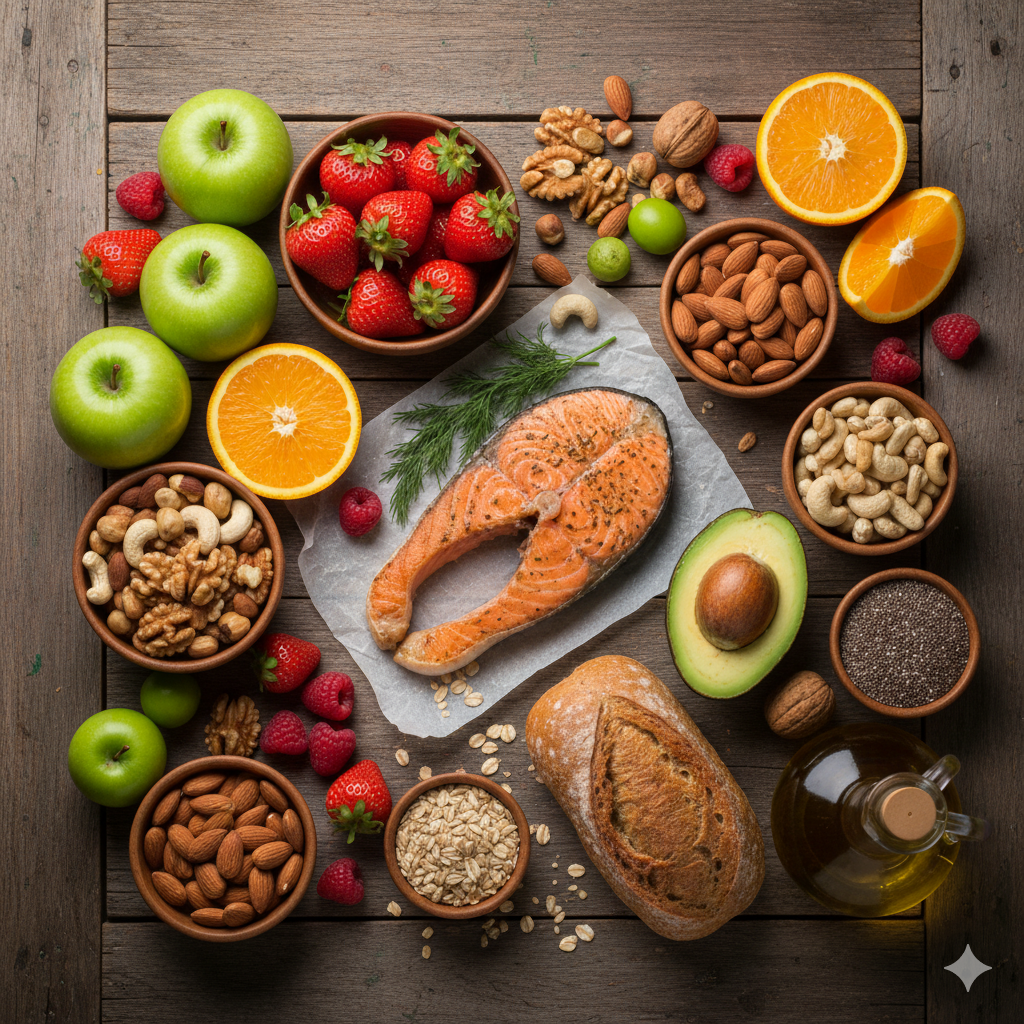
In contrast to saturated and trans fats, unsaturated fats, including monounsaturated fats (found in olive oil, avocado oil, nuts, and avocados) and polyunsaturated fats (present in canola oil, soybean oil, safflower oil, walnuts, flaxseeds, chia seeds, and fatty fish), are considered healthier options. Substituting saturated fats with these healthier unsaturated fats is a key dietary recommendation for managing cholesterol. Notably, omega-3 fatty acids, a type of polyunsaturated fat abundant in fatty fish like salmon, mackerel, and herring, as well as in walnuts and flaxseeds, offer additional heart-healthy benefits, including the potential to reduce triglycerides and possibly LDL cholesterol, alongside improving overall cardiovascular function. Consuming at least two servings of fish rich in omega-3 fatty acids per week is advised as part of a heart-healthy dietary pattern. The emphasis on the type of fat consumed, rather than just the total amount, reflects a more contemporary understanding of dietary cholesterol management.
Rethinking Dietary Cholesterol
While the TLC diet initially recommended limiting dietary cholesterol, primarily found in animal products such as egg yolks, organ meats, shrimp, and whole milk dairy, to less than 200 mg per day, current understanding suggests that for most individuals, the impact of dietary cholesterol on blood cholesterol levels is less significant than that of saturated and trans fats. Therefore, the primary focus should be on reducing the intake of saturated and trans fats, which have a more pronounced effect on raising LDL cholesterol. This updated perspective helps avoid overly restrictive dietary changes that might not be the most effective strategy for lowering cholesterol.
The Cholesterol-Lowering Power of Fiber
Incorporating an adequate amount of fiber, particularly soluble fiber, into the diet is a well-recognized strategy for lowering cholesterol. Soluble fiber, found in foods like oatmeal, oat bran, fruits such as apples, pears, oranges, bananas, and prunes, vegetables like Brussels sprouts, and legumes including kidney beans, lentils, and chickpeas, helps to prevent the digestive tract from absorbing cholesterol. It is recommended to aim for a daily intake of 10 to grams of soluble fiber to maximize its cholesterol-lowering benefits. The consistent recommendation of increasing soluble fiber intake across various health guidelines underscores its reliable effect on cholesterol levels.
Leveraging Plant Stanols and Sterols
Plant stanols and sterols are naturally occurring substances found in whole grains, nuts, legumes, and oils like olive and avocado oil. They are also added to some fortified food products. These compounds have a structure similar to cholesterol and help to block the absorption of cholesterol in the digestive tract, thereby lowering LDL cholesterol levels. It is suggested to aim for a daily consumption of around 2 grams of plant stanols and sterols to aid in cholesterol reduction. The specific mechanism by which plant stanols and sterols interfere with cholesterol absorption makes them a valuable addition to a cholesterol-lowering diet.
Embracing a Heart-Healthy Food Selection
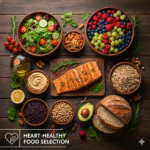
A cornerstone of any cholesterol-lowering dietary approach is the selection of a wide variety of heart-healthy foods. This includes a diet rich in fruits, vegetables, whole grains, nuts, legumes, lean meats, and fish. Conversely, it is important to limit the consumption of red and processed meats, sugary foods and drinks, salty foods, and refined carbohydrates. When using fats and oils, opting for healthier choices like olive, canola, and safflower oil instead of butter and lard is recommended. Established heart-healthy dietary patterns such as the DASH eating plan and the Mediterranean diet provide excellent frameworks for making these beneficial food choices. The consistency in recommendations across these various dietary plans highlights the fundamental importance of consuming whole, unprocessed foods for effective cholesterol management.
The Role of Sodium and Alcohol in Cholesterol Management
While primarily impacting blood pressure, limiting sodium intake to no more than 2,300 milligrams per day is generally recommended for overall heart health. Excessive alcohol consumption should also be avoided, as it can contribute to weight gain and potentially raise LDL and triglyceride levels. Although moderate alcohol intake has been linked to slightly higher HDL cholesterol levels, it is not recommended for individuals who do not already consume alcohol.
The Active Approach: Exercise and Cholesterol

Identifying Effective Exercise Types
Regular physical activity is another crucial component of the TLC program and plays a significant role in managing cholesterol levels. Engaging in regular aerobic exercises, such as brisk walking, jogging, cycling, swimming, and dancing, has been shown to be beneficial in lowering LDL cholesterol and raising HDL cholesterol levels. In addition to aerobic activity, resistance training, which includes weightlifting and bodyweight exercises, can also positively influence cholesterol levels, particularly by reducing triglycerides and increasing HDL cholesterol. Moderate-intensity exercise is generally recommended for achieving these benefits. The combined benefits of both aerobic and resistance exercise suggest that a well-rounded fitness regimen is the most effective approach to naturally managing cholesterol.
Crafting Your Exercise Plan: Intensity, Duration, and Frequency
For effective cholesterol management, it is generally recommended to aim for at least 30 minutes of moderate-intensity exercise on most days of the week, ideally five times a week, or engage in vigorous aerobic activity for at least 20 minutes three times a week.29 The American Heart Association (AHA) recommends a minimum of 150 minutes of moderate-intensity or 75 minutes of vigorous-intensity aerobic activity per week. Incorporating muscle-strengthening activities at least two days a week is also advised. Consistency is key, and it is beneficial to gradually increase the intensity and duration of workouts over time. It is important to note that even small amounts of physical activity can yield health benefits, so any increase in activity levels is a positive step. The flexibility in these recommendations allows individuals to create an exercise plan that aligns with their personal preferences and lifestyle, which can improve adherence and long-term success.
Weight Management: A Key Component of Cholesterol Control
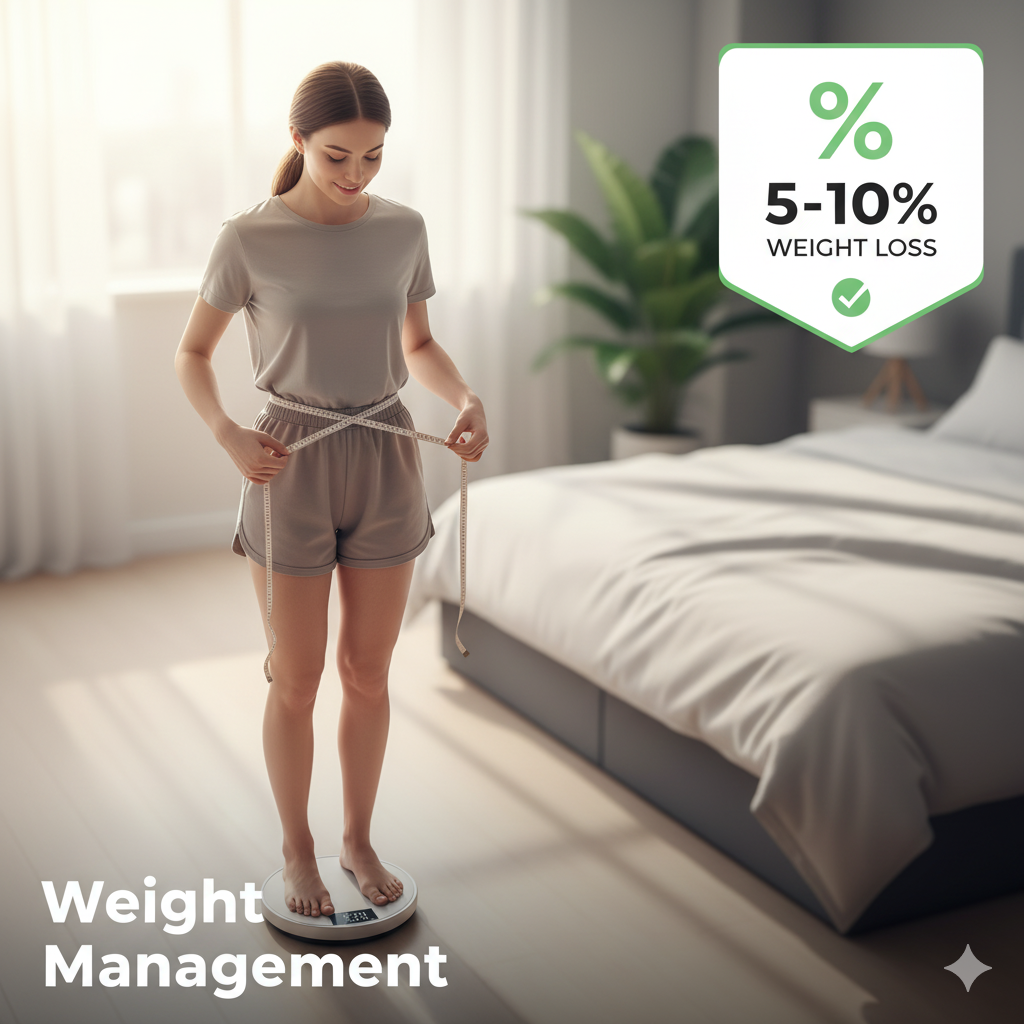
Excess body weight can have a significant impact on cholesterol levels, often leading to increased LDL and total cholesterol and lower HDL cholesterol. Even a modest weight loss of 5 to 10% of body weight can result in improvements in cholesterol numbers. The most effective approach to weight management for cholesterol control involves a combination of adopting a heart-healthy dietary pattern and engaging in regular physical activity. Tracking daily calorie intake and making gradual, sustainable changes to eating and exercise habits can support successful weight management. Weight management works in conjunction with diet and exercise to positively influence cholesterol levels, highlighting the importance of a comprehensive strategy.
Beyond Diet and Exercise: Holistic Lifestyle Factors
The Detrimental Effects of Smoking and the Benefits of Quitting
Smoking has a well-established negative impact on cholesterol levels, typically lowering HDL (“good”) cholesterol and raising LDL (“bad”) cholesterol. Quitting smoking, however, can lead to a rapid improvement in HDL cholesterol levels and offer significant benefits for overall cardiovascular health. The quick positive changes in HDL after cessation serve as a strong motivator for individuals who smoke and are looking to improve their lipid profile naturally.29
Managing Stress for a Healthier Heart
Chronic stress can also play a role in negatively affecting cholesterol levels, potentially leading to increased LDL and triglycerides and decreased HDL. This can occur through the release of stress hormones like cortisol, which can influence cholesterol production, as well as through the adoption of unhealthy coping mechanisms such as poor dietary choices and reduced physical activity. Incorporating stress management techniques into daily life, such as regular exercise, meditation, yoga, deep breathing exercises, spending quality time with loved ones, and engaging in enjoyable hobbies, can contribute to better cholesterol management and overall well-being. The connection between stress and cholesterol underscores the importance of addressing both mental and physical health for optimal lipid profiles.
The Underestimated Role of Sleep in Cholesterol Regulation
Adequate and quality sleep is increasingly recognized as a significant factor in regulating cholesterol levels. Studies suggest that both insufficient and excessive sleep can negatively impact cholesterol, particularly affecting triglyceride and HDL levels. Aiming for 7 to 9 hours of quality sleep per night is generally recommended for overall health and may also contribute to healthy cholesterol levels. Furthermore, sleep disorders such as sleep apnea have been linked to higher cholesterol levels, highlighting the importance of addressing sleep-related issues.87 The role of sleep in cholesterol regulation is an area of growing research, emphasizing the need to consider sleep habits as part of a comprehensive approach to metabolic health.
Exploring Natural Supplements: Evidence and Considerations
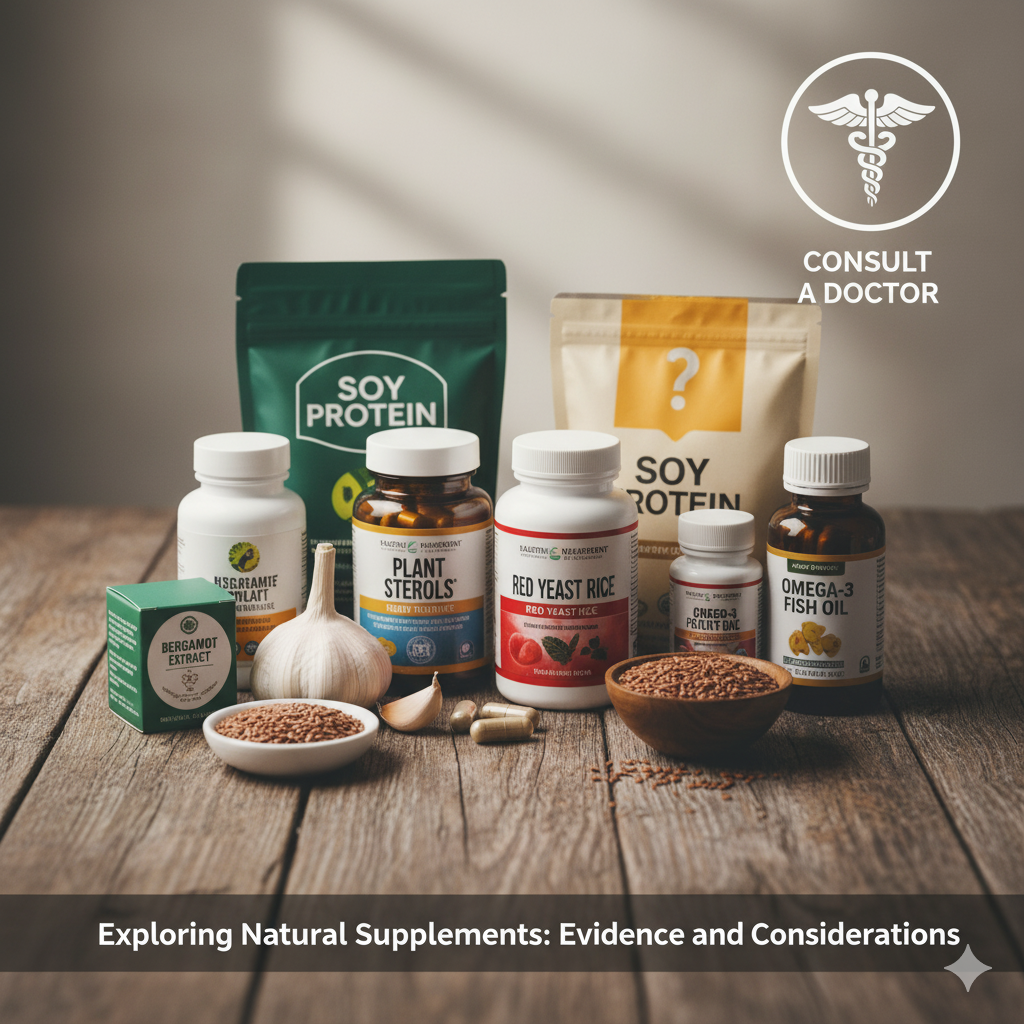
Certain natural supplements have been studied for their potential cholesterol-lowering effects. Plant stanols and sterols are available in supplement form and have demonstrated effectiveness in reducing cholesterol levels by blocking its absorption. Other supplements, including soy protein, flaxseed, garlic, red yeast rice, red clover, and bergamot, have also shown some promise in lowering cholesterol in studies. However, it is important to note that the impact of these supplements on cholesterol levels might be less pronounced than that of comprehensive lifestyle changes or prescription medications. For instance, the effectiveness of red yeast rice depends on its monacolin K content, which can vary. It is crucial to approach the use of natural supplements with caution and to discuss their potential benefits and risks with a healthcare provider due to the possibility of side effects and interactions with other medications. Supplements should be viewed as potential supportive tools rather than primary solutions for lowering cholesterol.
Tracking Your Progress and When to Seek Professional Advice
Regular monitoring of cholesterol levels by a healthcare provider is essential to track progress and ensure that the chosen natural strategies are effectively lowering cholesterol. Keeping a diary to record food intake, physical activity levels, and weight can be a valuable tool for both the individual and their healthcare provider in assessing progress. Setting SMART goals (Specific, Measured, Appropriate, Realistic, and Time-Bound) can help make lifestyle changes more manageable and achievable. It is strongly recommended to consult a doctor before initiating any new diet or exercise program, especially for individuals with pre-existing health conditions, to ensure safety and receive personalized guidance.
Understanding the Landscape: Healthy Cholesterol Levels and the Implications of Lowering
The generally accepted healthy LDL cholesterol level for adults is below 100 mg/dL. Achieving an LDL level below 100 mg/dL from a starting point of 115 mg/dL through consistent effort and adherence to the recommended dietary and lifestyle modifications is a realistic goal for many individuals. Lowering LDL cholesterol within the near-optimal to optimal range is generally considered beneficial for reducing the risk of cardiovascular disease.
Potential Considerations: Can Cholesterol Levels Go Too Low Naturally?
While the primary goal is to lower cholesterol, concerns may arise about the possibility of levels becoming too low. Very low LDL cholesterol levels (below 40-50 mg/dL) have been associated with certain health conditions in some studies, although research in this area is ongoing. However, it is important to emphasize that naturally lowering cholesterol through diet and exercise is less likely to result in dangerously low levels compared to the effects of aggressive cholesterol-lowering medications. It is still crucial to work closely with a healthcare provider to monitor cholesterol levels and address any concerns that may arise during the process.
Conclusion: Achieving Your Cholesterol Goals Through Natural Strategies
Lowering cholesterol from 115 mg/dL to below 100 mg/dL without drugs is achievable through a dedicated and consistent effort focused on therapeutic lifestyle changes. This includes making strategic dietary modifications, incorporating regular physical activity, managing weight effectively, quitting smoking, managing stress, and prioritizing adequate sleep. While some natural supplements may offer additional support, they should not replace the foundational role of these core lifestyle changes. Regular monitoring of cholesterol levels and open communication with a healthcare provider are essential to ensure the safety and effectiveness of these natural strategies in achieving the desired cholesterol goals and promoting long-term cardiovascular health.
Table: TLC Dietary Recommendations
| Dietary Recommendation | Details | Relevant Snippet IDs |
| Decrease Saturated Fat | Limit intake of foods rich in saturated fat (e.g., fatty meats, full-fat dairy, coconut oil, palm oil) as it increases LDL cholesterol. | 23 |
| Decrease Cholesterol | Limit intake of foods high in dietary cholesterol (e.g., egg yolks, organ meats, shrimp) to less than 200 mg per day. | 23 |
| Add Plant Stanols and Sterols | Incorporate foods containing plant stanols and sterols (e.g., whole grains, nuts, legumes, olive oil, avocado oil, fortified foods) to block cholesterol absorption. | 23 |
| Increase Soluble Fiber | Include foods rich in soluble fiber (e.g., fruits, beans, oats) to help block cholesterol absorption in the intestines. | 23 |
| Focus on Heart-Healthy Foods | Choose fruits, vegetables, legumes, nuts, whole grains, low- or non-fat dairy, fish, poultry without skin, and lean meats in moderation. | 23 |
| Limit Sodium Intake | Restrict sodium intake to no more than 2,300 milligrams per day. Use salt-free spices and herbs for flavor. | 23 |

Leave a Reply