
As we gracefully enter our mature years, our bodies undergo various changes. While some are a natural part of aging, others, like high blood pressure, demand our attention. Often dubbed the “silent killer,” hypertension frequently presents no obvious symptoms, yet it poses significant threats to our health and quality of life. For adults over 45, understanding these dangers and embracing natural strategies to manage blood pressure is not just beneficial—it’s essential.
The Silent Threat: Dangers of High Blood Pressure in Mature Adults
When blood pressure remains elevated over time, it can inflict damage on your blood vessels, leading to a cascade of serious health complications. The risks are substantial, including a doubled risk for heart attack and a quadrupled risk for stroke. High blood pressure can contribute to heart failure, where the heart struggles to pump enough blood efficiently. Beyond the heart, hypertension is a major contributor to kidney disease or failure, as damaged arteries around the kidneys hinder their ability to filter blood properly.
Vision loss can also result from strained or damaged blood vessels in the eyes. Perhaps one of the most concerning long-term effects is the increased risk of cognitive decline and dementia, with vascular dementia being directly linked to high blood pressure. Other potential issues include peripheral artery disease, weakened bones, and even sexual dysfunction. Given these profound risks, proactive management of blood pressure becomes a cornerstone of healthy aging.
The Power of Your Plate: Natural Foods for Lowering Blood Pressure
Fortunately, a powerful tool in the fight against high blood pressure lies in our daily food choices. The Dietary Approaches to Stop Hypertension (DASH) diet is widely recognized for its effectiveness in lowering blood pressure. This eating plan emphasizes foods rich in essential minerals like potassium, magnesium, and calcium, while limiting sodium, saturated fat, and added sugars.
Here are key nutrients and natural foods that can help you maintain healthy blood pressure:
- Potassium: This mineral helps balance sodium levels in the body and relaxes blood vessel walls. Excellent sources include bananas, avocados, cantaloupe, oranges, sweet potatoes, spinach, tomatoes, and low-fat dairy like yogurt and milk.
- Magnesium: Studies show magnesium can help lower blood pressure by increasing nitric oxide production, which relaxes blood vessels. Find it in leafy greens such as spinach and kale, nuts (almonds, pumpkin seeds, chia seeds, sunflower seeds), whole grains, and legumes.
- Calcium: Low-fat dairy products, leafy greens like kale and collard greens, and calcium-fortified foods are good sources that contribute to blood pressure management.
- Omega-3 Fatty Acids: These healthy fats can slow plaque buildup in blood vessels and have been shown to lower blood pressure. Incorporate fatty fish like salmon, tuna, and mackerel, as well as flaxseeds, walnuts, and chia seeds.
- Nitrates: Foods rich in nitrates convert to nitric oxide in the body, which helps relax blood vessels. Beets and leafy greens such as spinach and arugula are excellent sources.
- Fiber: A diet high in fiber, found in whole grains, fruits, vegetables, beans, and lentils, supports overall heart health and can assist in blood pressure management.
- Antioxidants and Flavonoids: Berries, particularly blueberries and strawberries, contain anthocyanins that may help lower blood pressure. Kiwi, rich in Vitamin C, has also shown promise in reducing systolic blood pressure. Carrots and tomatoes provide beneficial plant compounds like lycopene, linked to improved heart health.
A crucial aspect of dietary management is reducing sodium intake. Opt for fresh, whole foods, flavor your meals with herbs and spices instead of salt, and be vigilant about checking food labels for sodium content.
Supplementing Your Journey: When to Consider Support
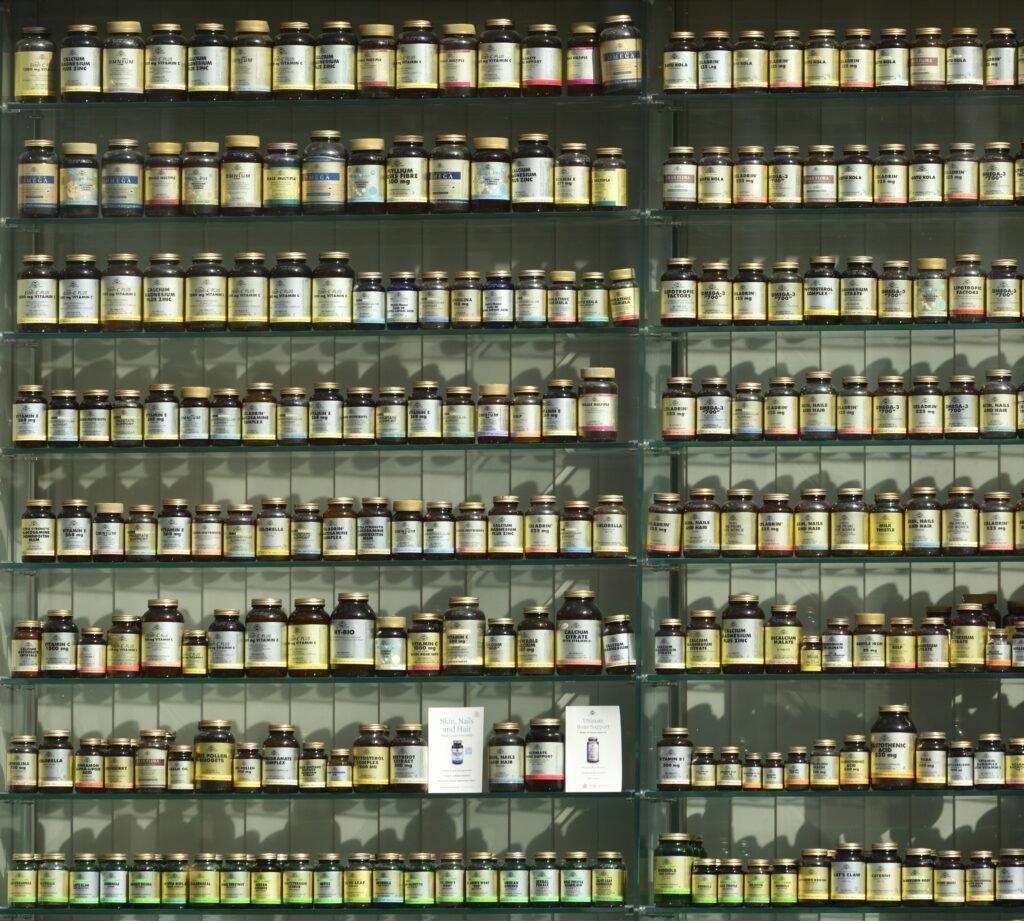
While a nutrient-rich diet is paramount, certain supplements may offer additional support for blood pressure management, especially for those over 45. Always consult your healthcare provider before starting any new supplement, particularly if you have underlying health conditions or are on medication.
- Potassium Supplements: If dietary intake isn’t sufficient, potassium supplements may be recommended to help regulate sodium and relax blood vessels. However, individuals with kidney disease must exercise caution.
- Magnesium Supplements: These can help lower blood pressure, especially in those with a magnesium deficiency.
- Coenzyme Q10 (CoQ10): This vitamin-like molecule has shown potential in reducing systolic blood pressure.
- Vitamin C: Some research suggests that vitamin C supplements may help lower blood pressure, possibly by increasing nitric oxide levels and acting as a diuretic.
- Fish Oil (Omega-3s): High-dose fish oil supplements may benefit those with high blood pressure by improving heart health.
- Beetroot Supplements: Similar to eating beets, beetroot supplements can improve blood flow and oxygen delivery, potentially lowering blood pressure.
- Garlic Extract: Studies indicate that garlic extract can significantly reduce blood pressure in individuals with uncontrolled hypertension.
- Probiotics: These beneficial gut bacteria have been linked to modest reductions in blood pressure.
- Melatonin and Green Tea: While often associated with sleep and general health, some studies suggest a modest blood pressure-lowering effect for both melatonin and green tea supplements.
When choosing supplements, look for products that have undergone third-party testing for purity by reputable organizations like USP or NSF International.
Beyond Nutrition: A Holistic Approach
While diet and supplements play a critical role, a holistic approach to managing blood pressure in mature adults also includes other lifestyle factors:
- Regular Physical Activity: Engaging in 30 to 60 minutes of moderate-intensity exercise most days of the week is highly beneficial.
- Stress Management: Chronic stress can contribute to high blood pressure, making stress-reduction techniques vital.
- Limiting Alcohol Intake: Moderate alcohol consumption is recommended, with limits of no more than 1 to 2 drinks or fewer a day for men and 1 drink or less a day for women.
- Maintaining a Healthy Weight: Losing even a small amount of weight can positively impact blood pressure.
Embrace Your Health Journey
High blood pressure doesn’t have to define your mature years. By understanding its risks and proactively adopting natural strategies through diet, carefully chosen supplements, and a healthy lifestyle, you can significantly improve your cardiovascular health and enhance your overall well-being. It’s a journey of informed choices, and your heart will thank you for it.
Check out our heart healthy recipes
Sources:
- Hypertension: What You Need to Know as You Age | Johns Hopkins Medicine
- Health Threats from High Blood Pressure | American Heart Association
Leave a Reply